

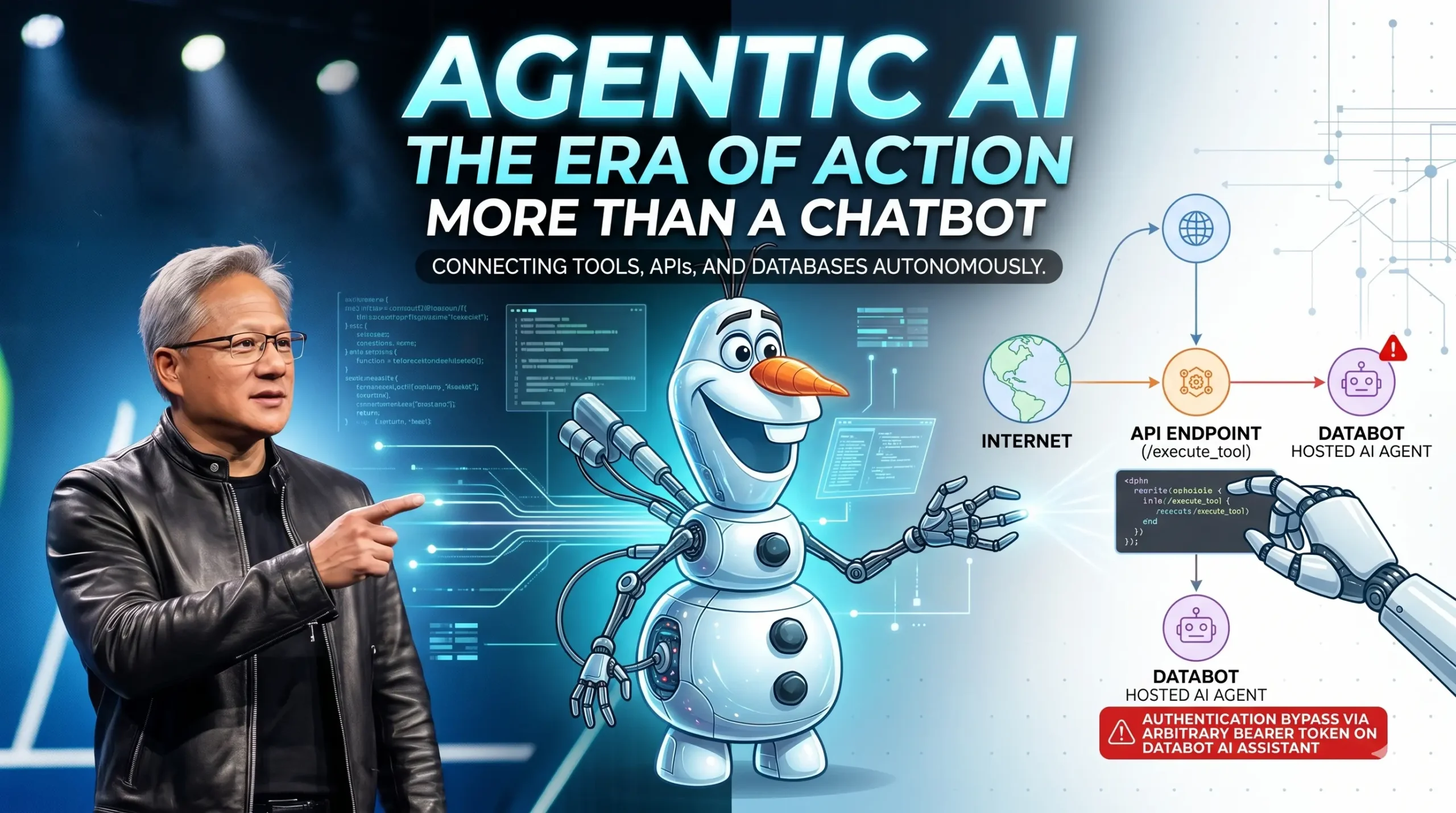
The AI Has Left the Room
Remember when artificial intelligence felt like a brilliant assistant locked inside a single, isolated room? You would type a prompt, and the chatbot would generate text. It was smart, but it was trapped. Today, we are witnessing a monumental shift in the tech landscape. Welcome to the era of Agentic AI.
Instead of just answering questions, AI has stepped out of the room. It is making friends with your other software, utilizing tools, and actively completing tasks. For developers and tech enthusiasts, this means moving beyond simple chatbots into an ecosystem where intelligent workflows handle the heavy lifting.
What Exactly is an AI Agent?
To understand this shift, think of the evolution of AI like hiring an employee. A standard language model is like an intern you hand a document to; they read it and give you a summary.
A. Key Differences Shaping the Future
- From Generation to Action: Agents don’t just write code or emails; they use APIs to open your IDE, write the code, run the tests, and send the email for you.
- Tool Utilization: Modern agents can access external environments. They can securely log into your databases, pull data, and update records seamlessly.
- Self-Correction: If an agent encounters an error while performing a task, it doesn’t just stop. It reads the error log, rewrites its approach, and tries again until the task is finished.
B. Real-World Automation: Agents in Action
How does this look in our day-to-day lives? We are moving to a world where you simply give a command, the system handles the heavy lifting, and sends you a message saying, “Hey, it’s done.”
Whether it is parsing through competitor data, setting up complex backend architectures, or managing server deployments, the focus is entirely on execution.
The 3-Year Evolution: From Impossible to Reality
While the concept is thrilling, technology must be viewed clearly. The truth is, we are still navigating through a phase of growth.
C. Overcoming Automated Flaws
Right now, there are still many problems and “automated flaws” in these systems. AI can occasionally hallucinate steps or get stuck in logic loops. However, some of the world’s top engineers are dedicating massive resources, relentlessly working and experimenting to solve these exact issues.
Think back to just three years ago. If you asked the tech community about AI, the conversation was dominated by what it couldn’t do. “AI can’t write a full application,” or “AI can’t manage a multi-step API integration.” Today, those “impossible” tasks are actively being done.
Because of this rapid evolution, the future holds incredible possibilities. As these top-tier engineers continue their experiments, we will see the highest-quality results.
We are standing on the edge of a major shift in which highly capable, flawless automation becomes the new industry standard.
Industry Highlights: The Titans Driving the Change
This level of automation isn’t science fiction; it is being actively deployed by enterprise giants right now. The hardware is more capable, the models are larger, and the ecosystems are ready.
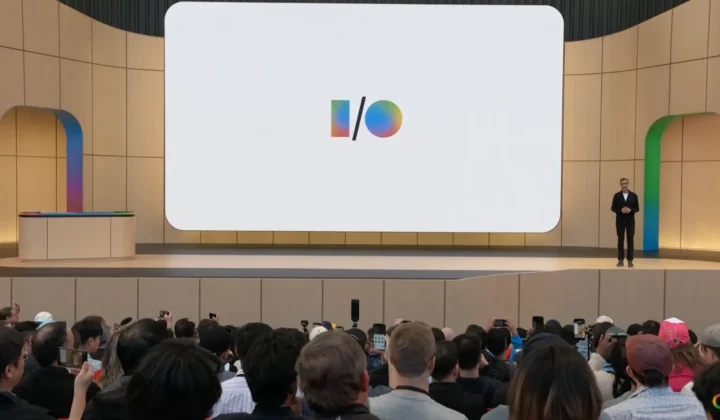
1. Google Cloud Next ’26
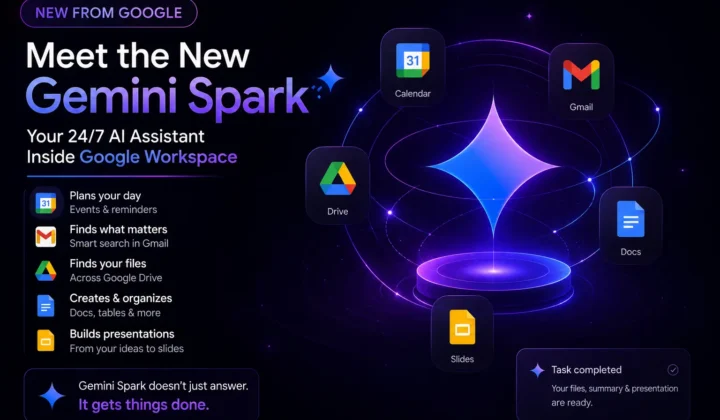
At the recent Google Cloud Next event, the message was clear: the focus is now on the “operating system for agents.”
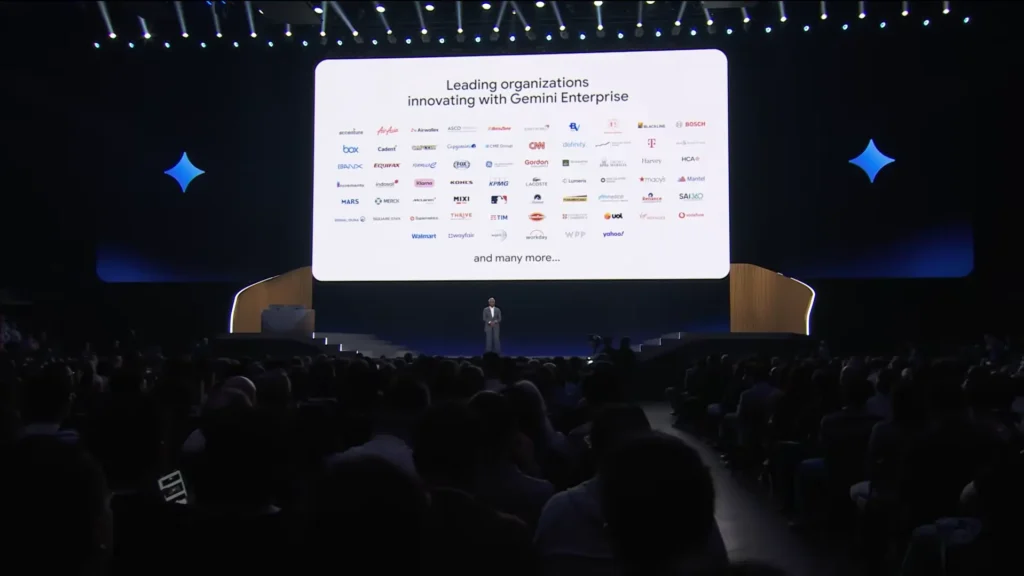
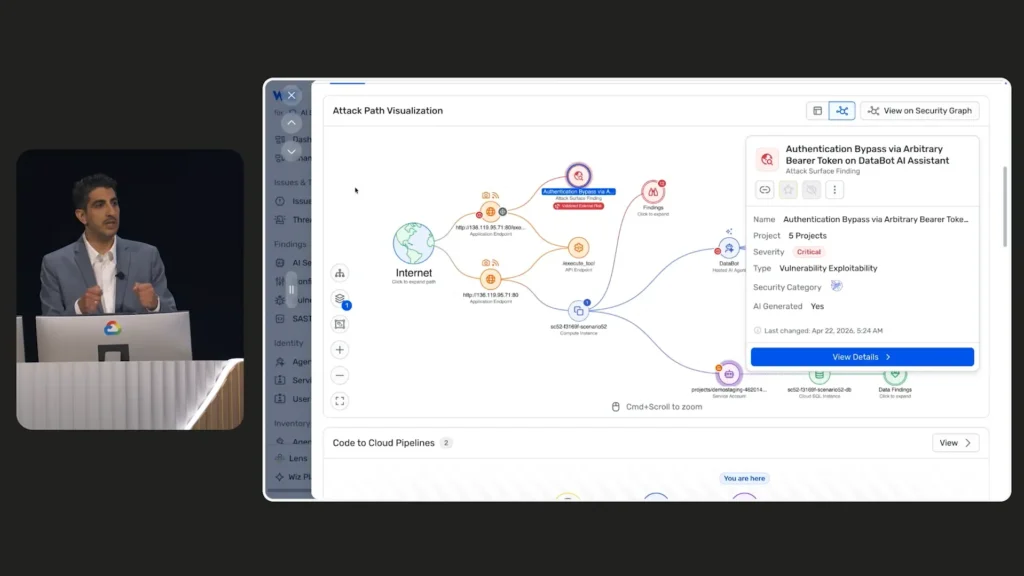
- Gemini Enterprise Agent Studio: Developers now have environments to build agents that act dynamically across Workspaces and external tools.
- Agent-to-Agent Orchestration: We are seeing AI manage AI. Google showcased a “Project Manager Agent” autonomously hiring a “Developer Agent” to patch a bug, followed by a “QA Agent” testing the fix, with zero human intervention required.
- Google Cloud Next ’26 Website
2. NVIDIA GTC 2026
More powerful software requires vastly superior hardware. NVIDIA’s recent showcase highlighted the muscle behind these new agents.

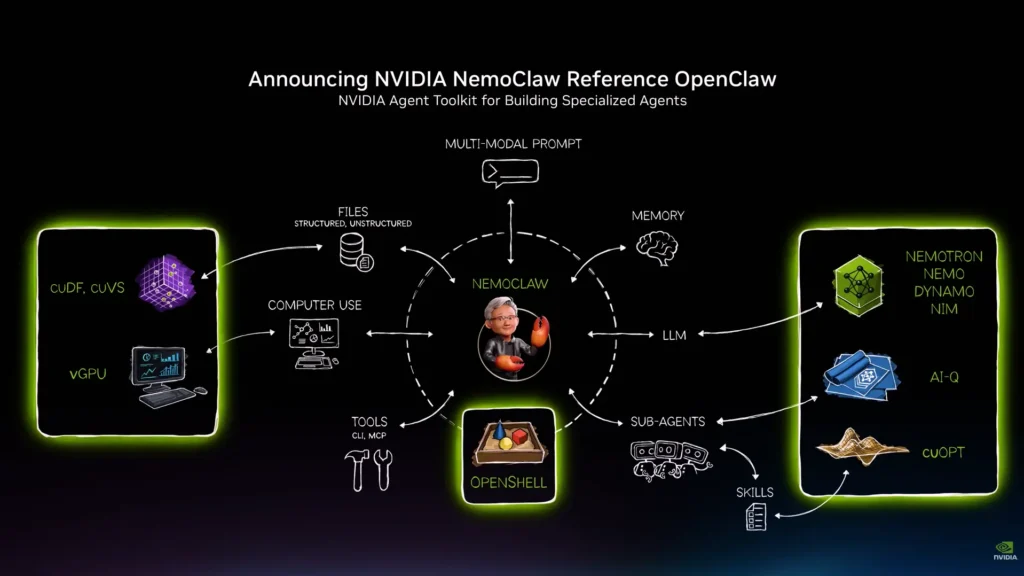
- Physical AI: Agentic software is moving into the physical world. Humanoid robots can now navigate warehouse floors autonomously, adjusting their paths in real-time.
- NemoClaw Framework: Security is a major concern when AI takes action. NVIDIA’s enterprise framework allows developers to sandbox agents, meaning an AI can execute complex code without risking company security protocols.
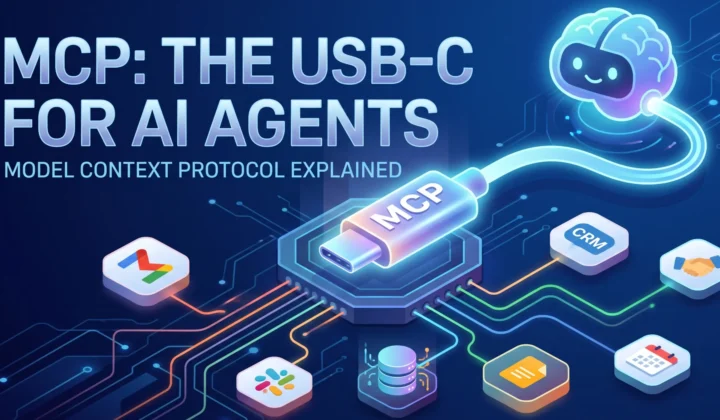
What is Model Context Protocol? The USB-C for AI Agents: How Model Context Protocol Works in Real Life
Actionable Tips: Preparing for an Agentic Future
If you are a developer or a business owner building custom web solutions, how do you adapt to this?
- Focus on APIs: Ensure your business software and client sites are highly integratable. Agents rely on robust APIs to interact with the world.
- Learn to Build Guardrails: The modern developer’s job is shifting. You won’t just be writing core logic; you will be writing the security guardrails and defining the specific goals for the agent to follow.
- Start Small: Use workflow automation tools to connect a large language model to your daily apps. Let an agent manage simple data extraction or content sorting before handing over larger backend tasks.
Frequently Asked Questions (FAQ)
What is an AI Agent in simple terms?
Think of a standard AI as an intern who can read and write text for you. An AI Agent, on the other hand, is like an autonomous worker. You give it a final goal, and it figures out the steps, uses your software tools, and completes the task for you in the background.
Can AI Agents really use my apps and tools?
Yes! Modern AI Agents use APIs to connect securely to your everyday software. They can access your CRM, calendar, code editor, or project management boards to pull data and update records.
What was the major AI Agent news at Google Cloud Next ’26?
At Google Cloud Next, the big shift was moving away from just selling AI “models” to offering an entire “operating system for agents.” Google showcased how its new ecosystem allows developers to build agents that actively orchestrate tasks across Google Workspace and external tools.
How can I start preparing my business for Agentic AI?
Start by making sure your tech stack is modern and relies on strong APIs. Then, start small: use simple workflow automation tools to connect a language model to your inbox or calendar before moving on to bigger, multi-step tasks.
Conclusion: Embracing the Next Big Shift
The evolution from passive text generation to active, autonomous execution is the most exciting technological leap of our time. While there are still challenges and automated flaws to iron out, the progress made in just the last three years proves that the impossible quickly becomes reality. By understanding and building alongside Agentic AI, developers can unlock unprecedented levels of problem-solving and efficiency. The shift is happening—make sure you are ready to build it.
Over to You!
What is one “impossible” task you used to think AI could never do, that it handles perfectly today? Drop your thoughts in the comments below!
All Images take from the YouTube video*
1 Comment
Comments are closed.


[…] in AI infrastructure experiments? Also read:Agentic AI: The Era of Smart AI Agents — a simple breakdown of how modern AI agents are moving beyond chatbots and starting to interact […]